- Customisation Tips and Tricks
- Printing, Screen Printing, Workwear
The world of custom garment design is evolving rapidly, and one technology making waves is Direct to Film (DTF) printing. DTF printing presents an innovative way to bring your ideas to life.
But what makes DTF printing so special? And why is it transforming how we think about custom garment design? This guide breaks down everything you need to know, including how the technology works, its advantages, and what the future holds for DTF printing.

What is DTF Printing?
DTF printing is a relatively new technique in the customisation world, but it’s quickly becoming a go-to solution for creating high-quality, custom designs on garments. At its core, DTF printing involves printing a design onto a special film, which is then bonded to fabric using a heat press and adhesive powder. This process makes it easy to create vibrant, durable, and intricate designs on almost any type of fabric.
How DTF Printing Works:
- Design Preparation: Create your artwork digitally and prepare it for printing, similar to methods used in traditional screen or DTG (Direct to Garment) printing.
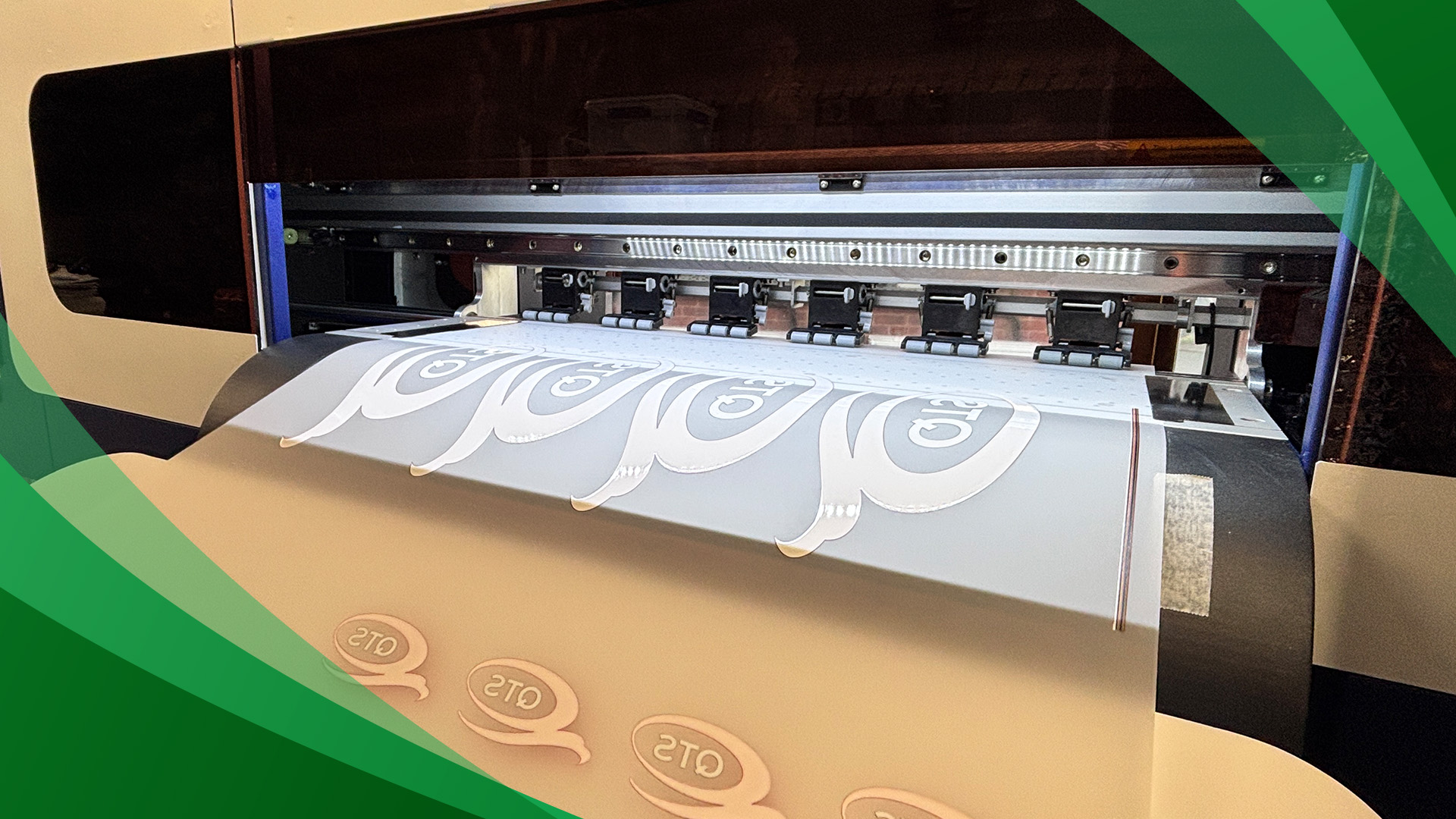
- Print on Film: The design is printed onto a PET (Polyethylene Terephthalate) film using specialised DTF inks.
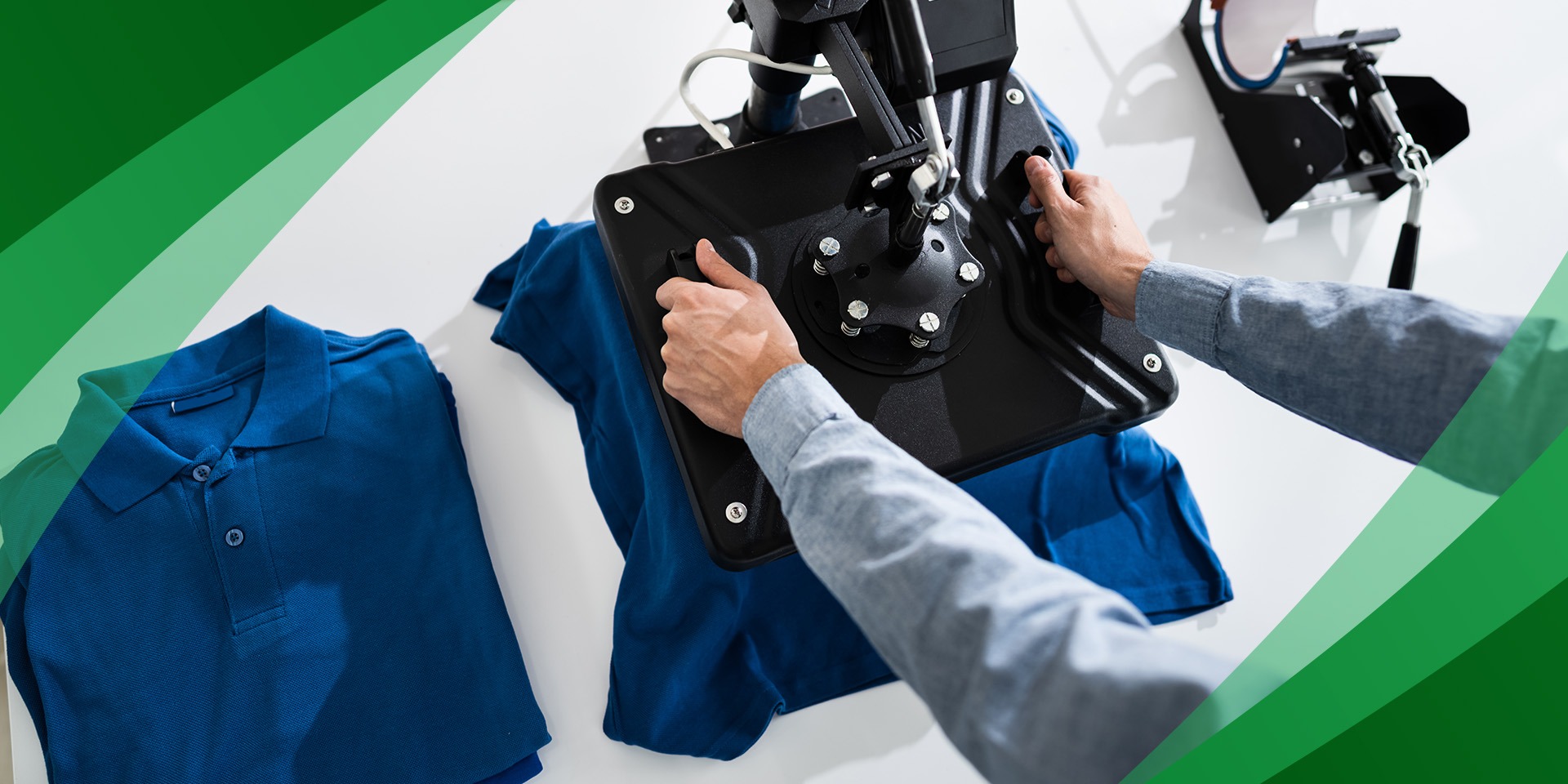
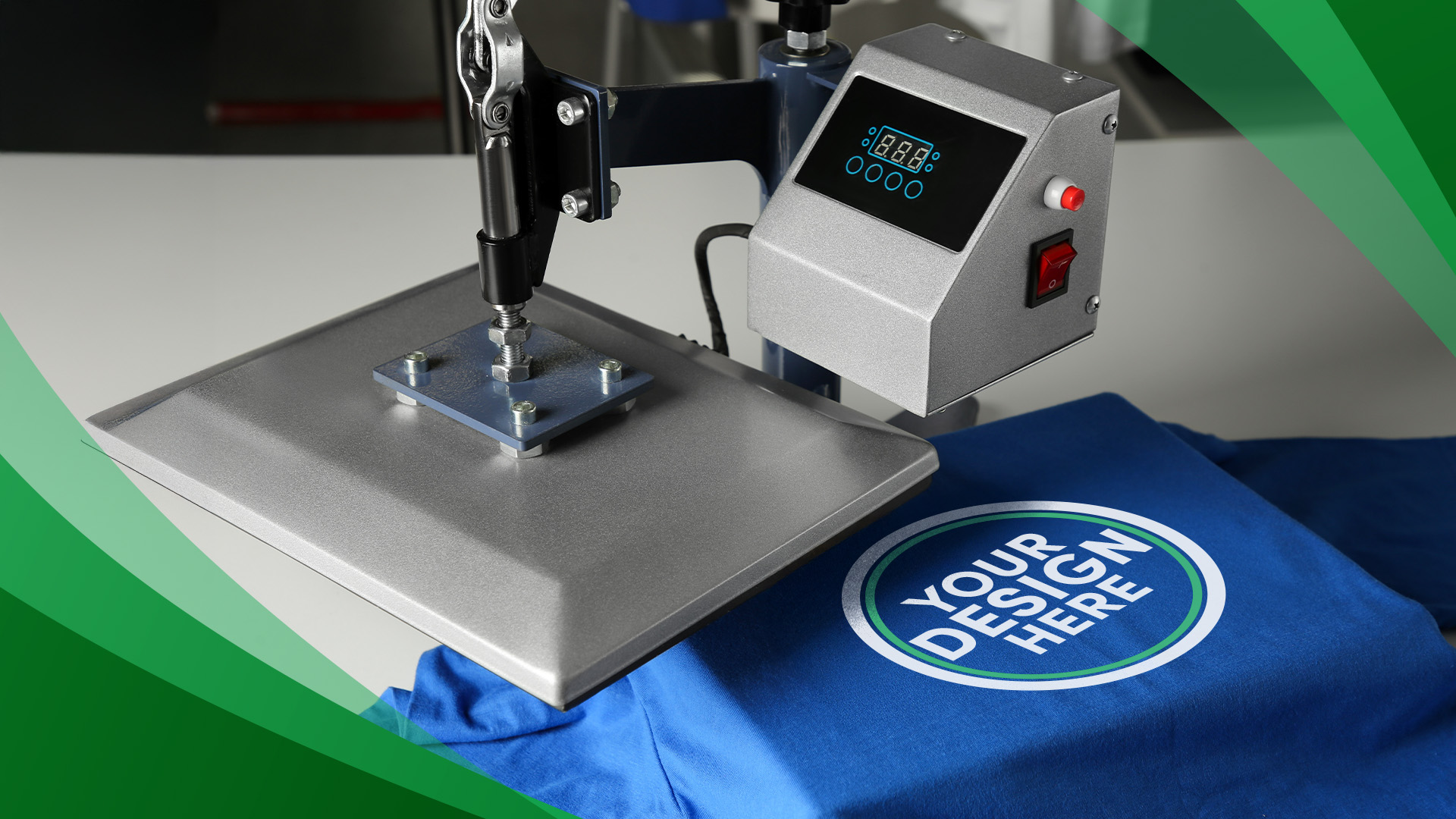
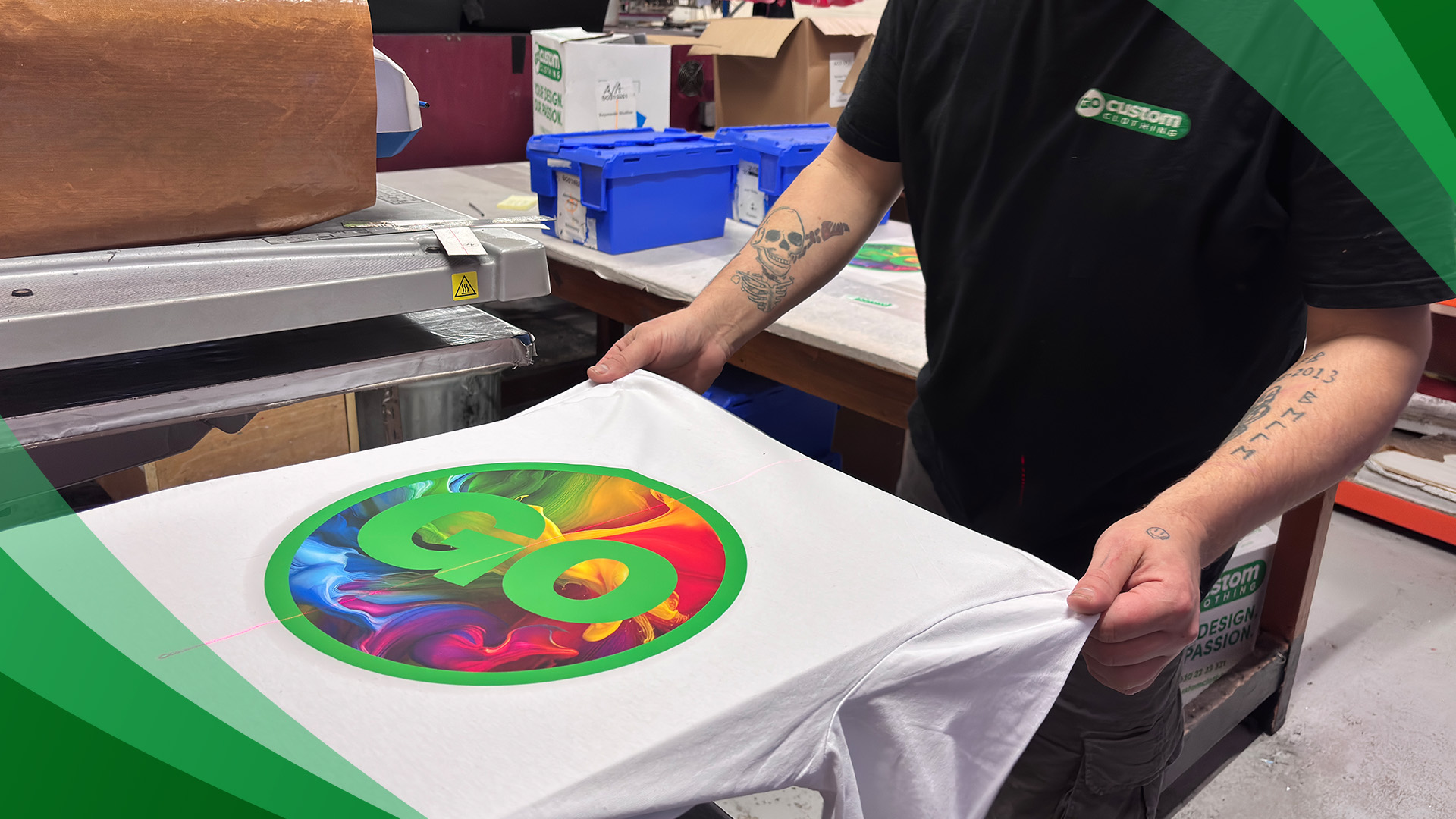
- Heat Transfer: The design is pressed onto the garment using a heat press, permanently attaching the artwork.

Advantages of DTF Printing
DTF printing is a game-changer for several reasons:
- Fabric Versatility: Unlike some techniques that only work with specific materials (e.g., cotton for DTG), DTF can be applied to virtually any fabric - nylon, cotton, polyester, 50/50 blends, dark and light coloured fabrics.
- Durability: The designs have excellent wash resistance and won’t crack or peel over time, making them ideal for workwear and everyday apparel.
- Vivid Colours & Detail: It delivers high-quality prints with a vibrant colour range, even for complex designs.
Limitations to Keep in Mind:
While DTF printing offers incredible advantages, it’s important to consider a few downsides:
- Speed: Using the heat press to transfer the design to the garment is time consuming as the operator has to wait for the heat press to add pressure to the garment.
- Large Quantities: Large quantity orders would be very time consuming to produce there for other methods would be suggested.
- Look & Feel: Whilst being detailed and having vibrant colours the print can feel thick compared to the garment's fabric.
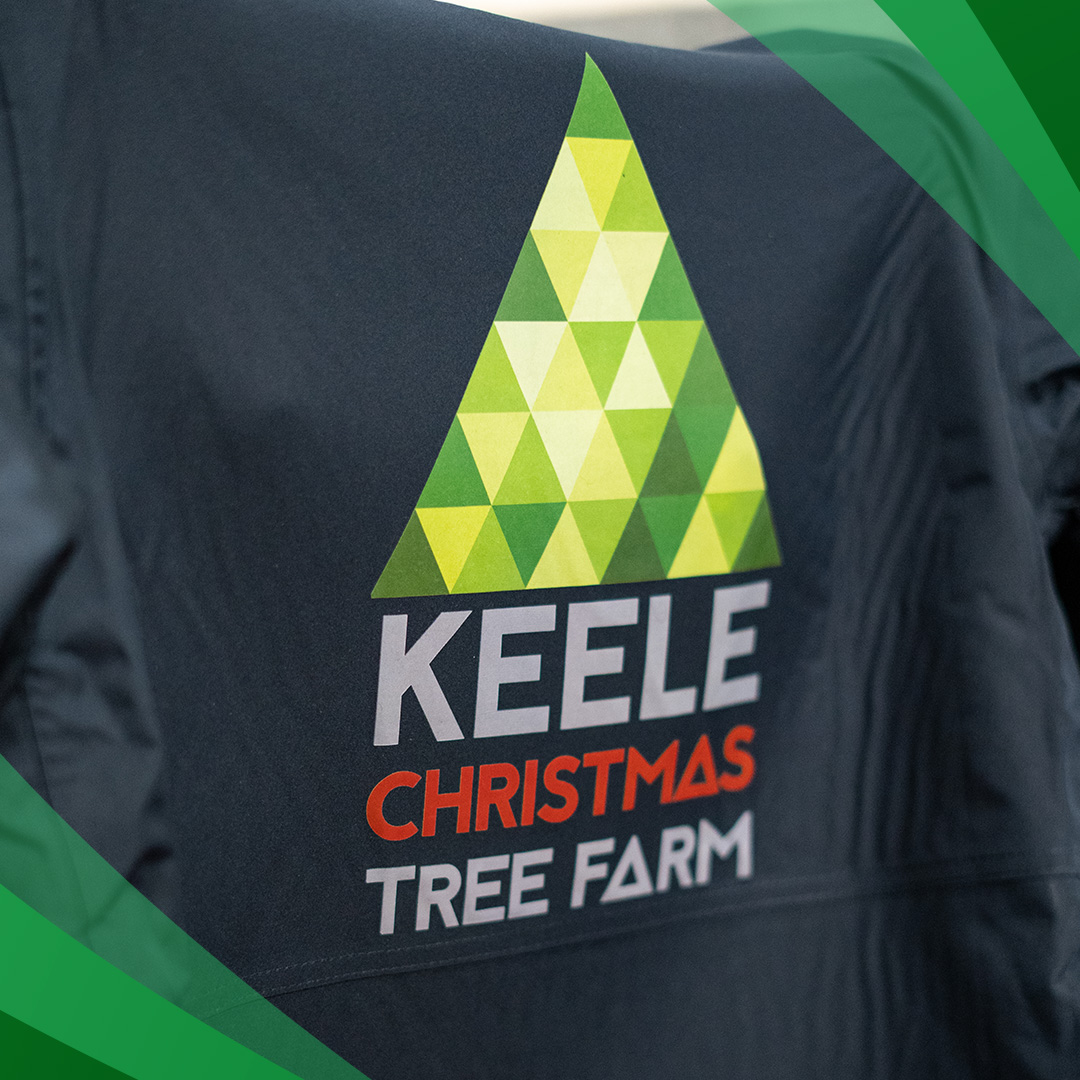
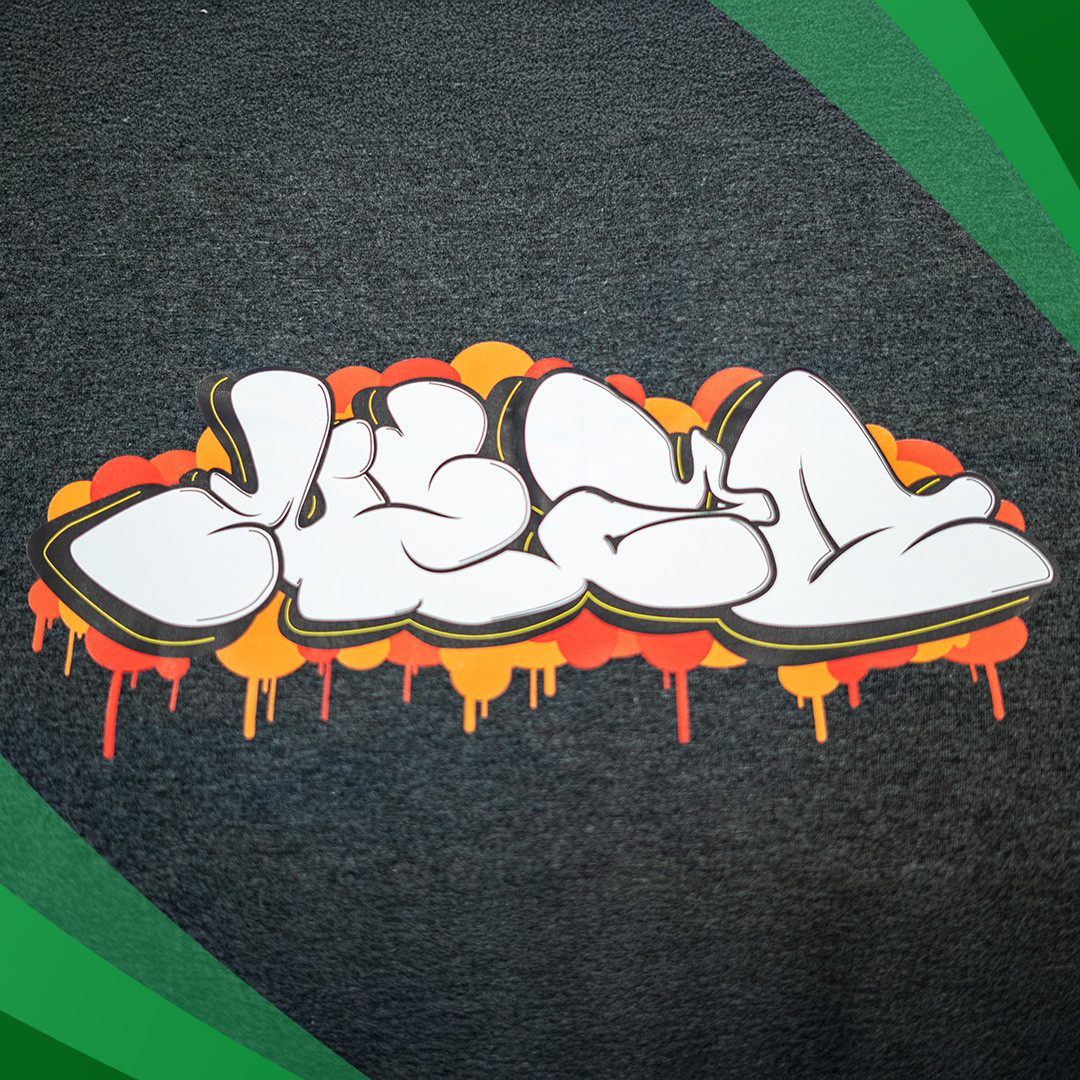
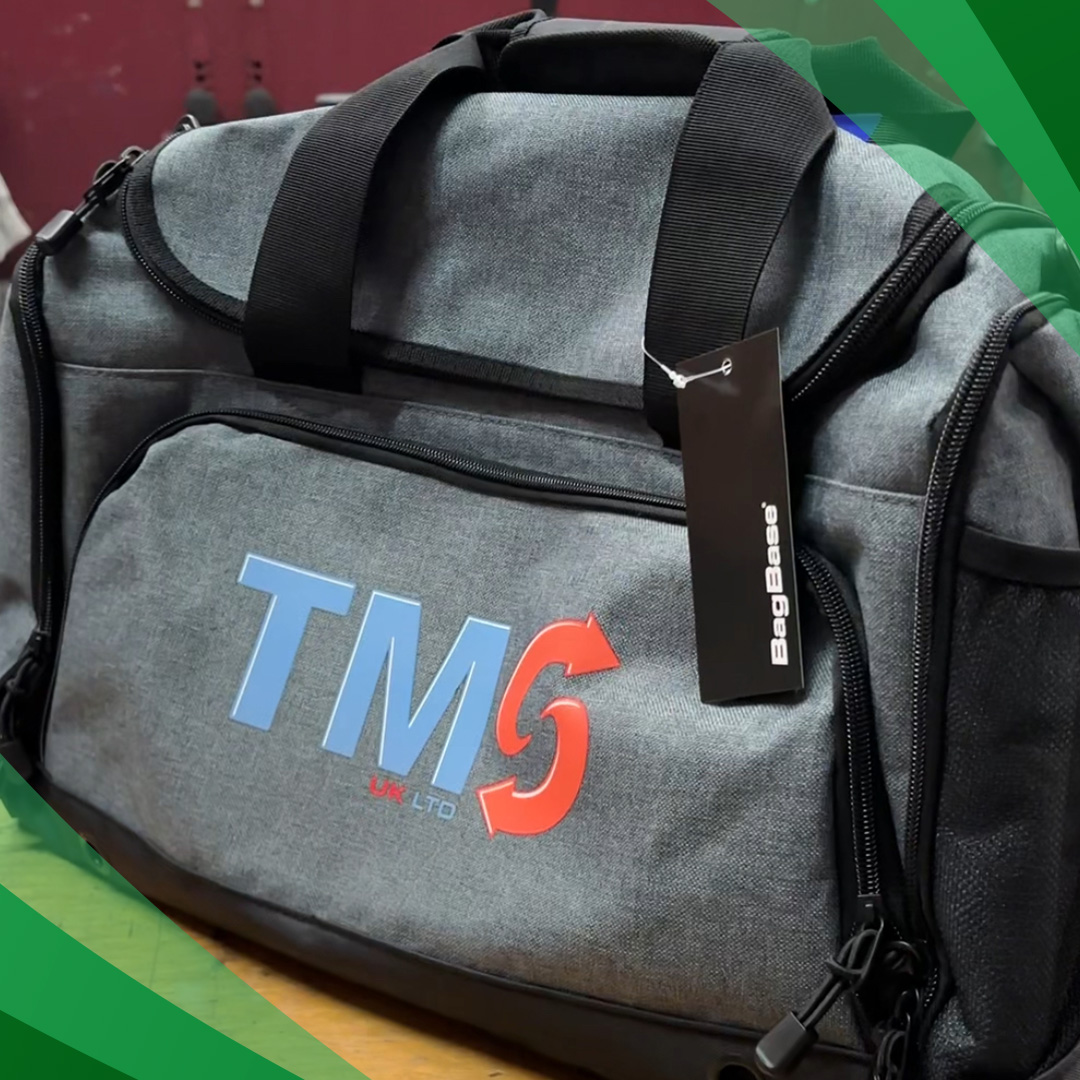
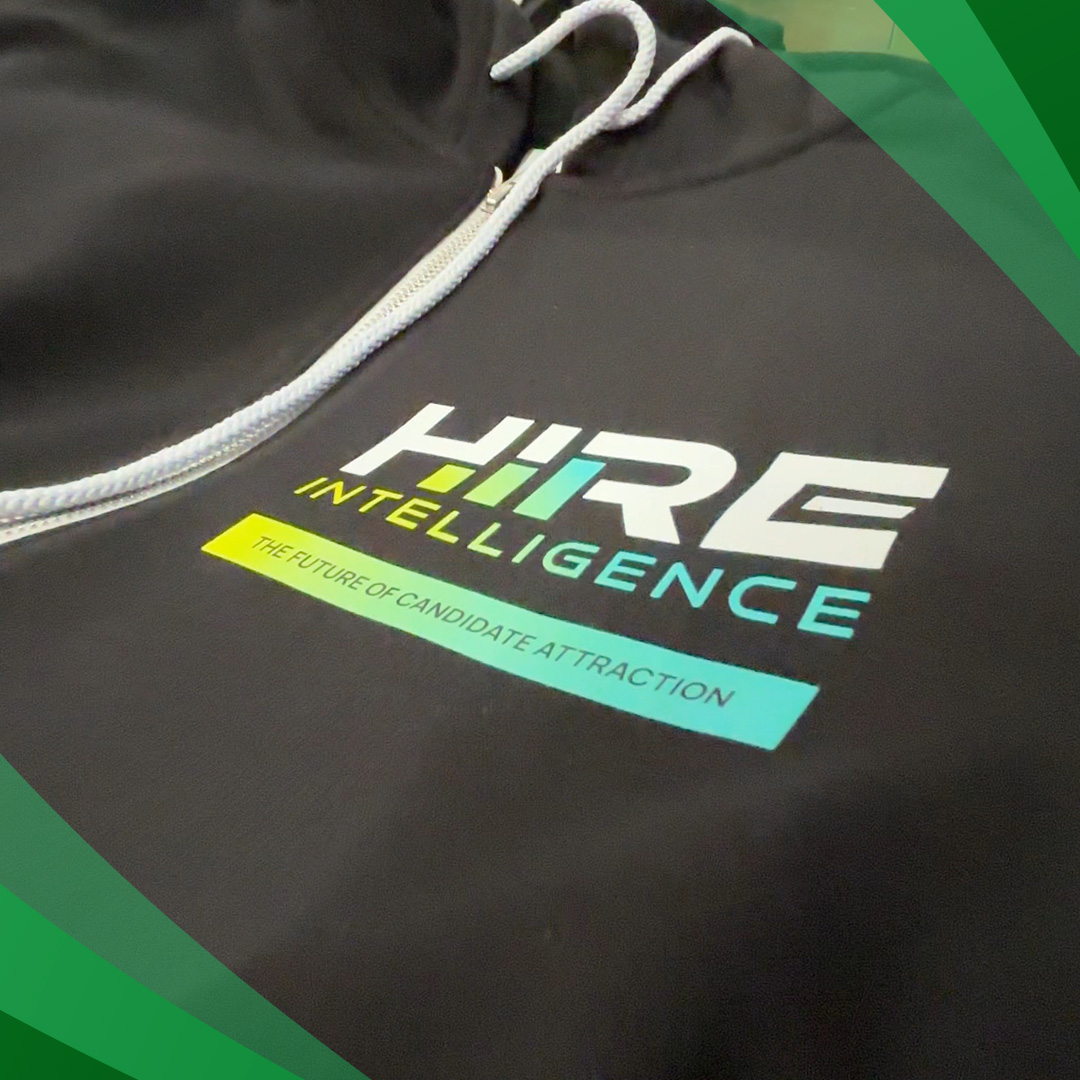
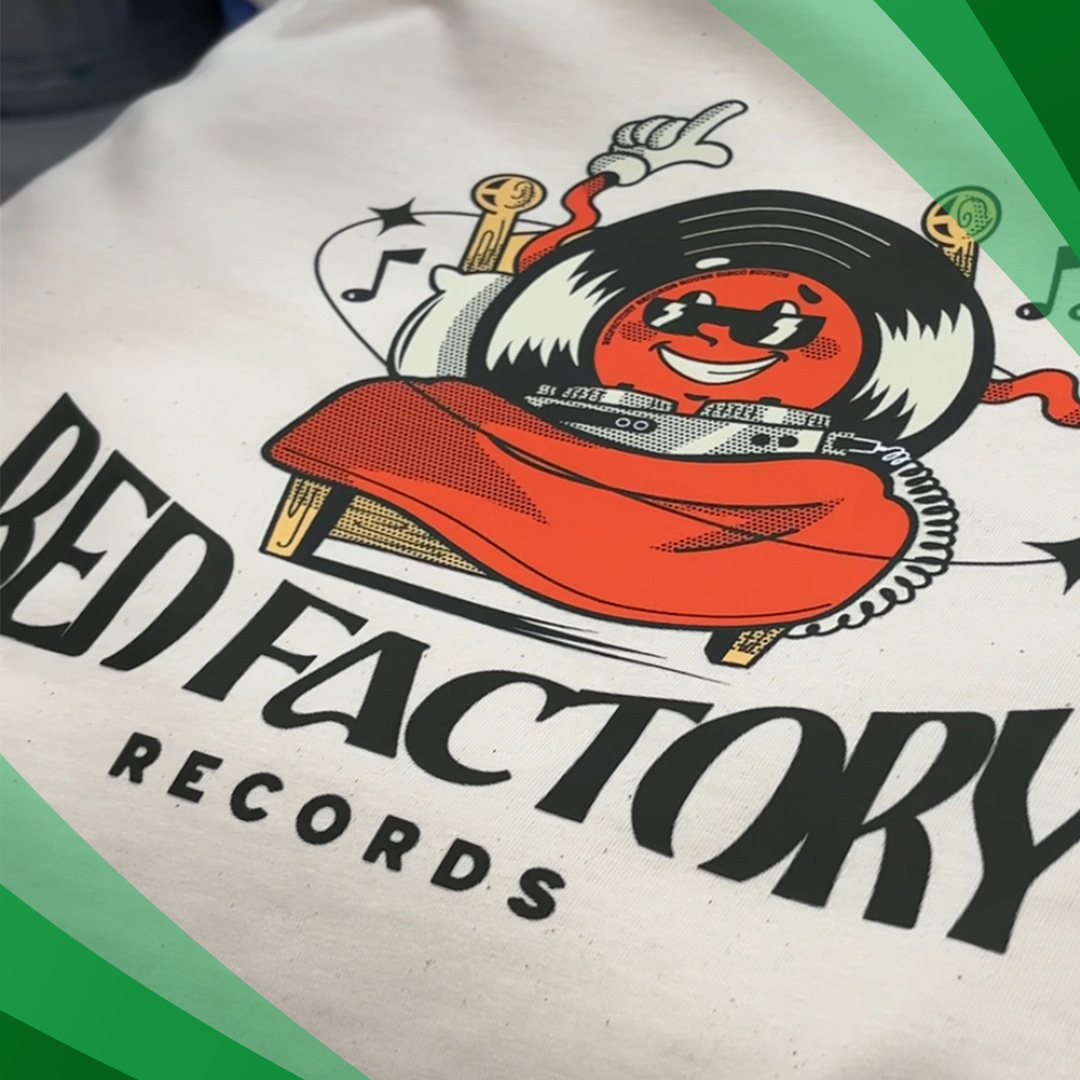
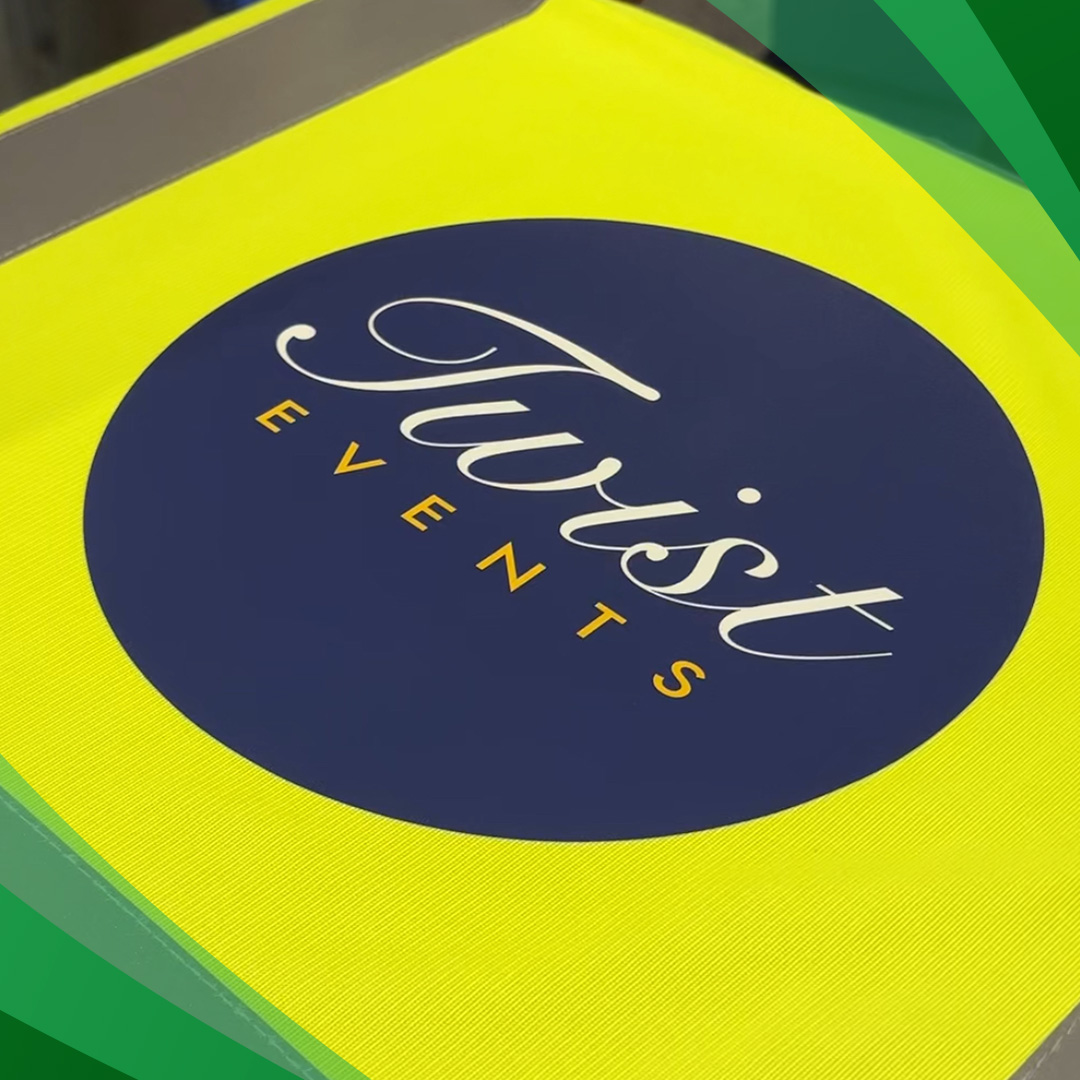
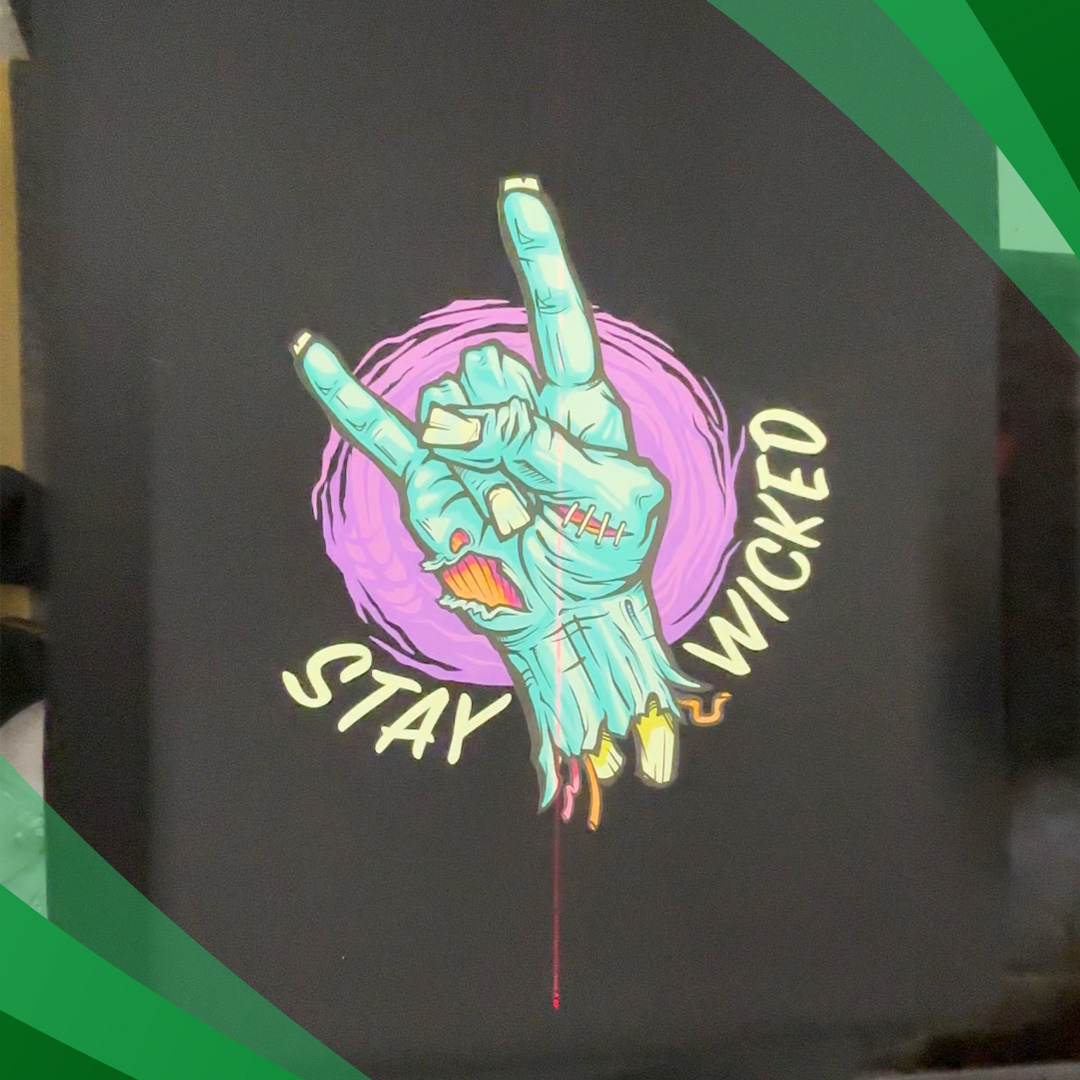
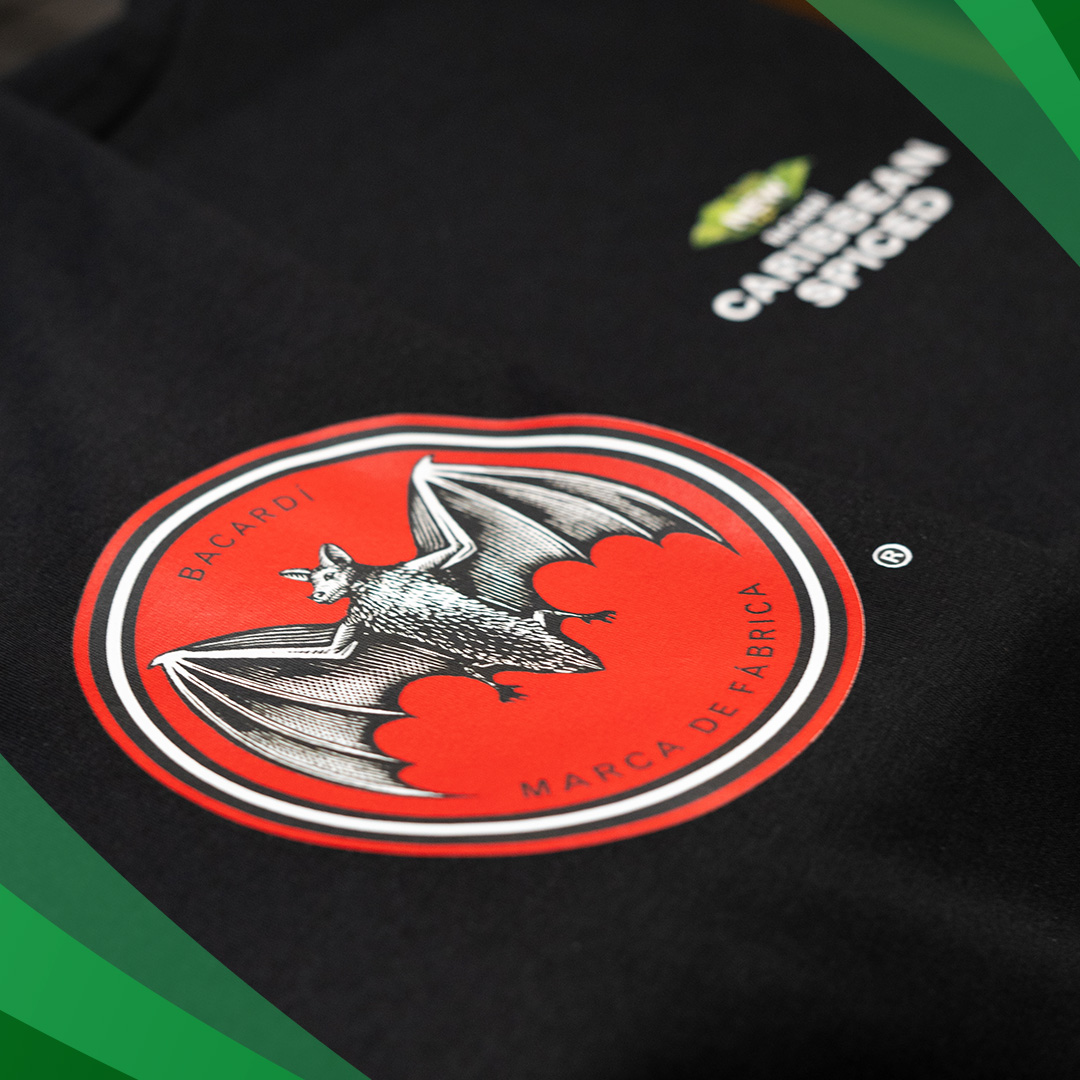
Examples of DTF Printing
How DTF Printing is Changing the Custom Garment Industry
1. Empowering Small Businesses
For small business owners, affordability and accessibility are crucial. DTF printing enables us to fulfil smaller, custom orders without the high setup costs of traditional screen printing. Whether it’s a quirky one-off T-shirt design or branded workwear, DTF printing provides professional results in achievable time scales.
2. Enhancing Creative Freedom for Designers
DTF printing is a dream come true for graphic designers and fashion enthusiasts. It opens up exciting possibilities for intricate patterns, bold graphics, and vibrant gradients—all with excellent attention to detail. Designers no longer have to limit their creativity based on the constraints of other printing methods.
3. Disrupting Fast Fashion
With the growing demand for personalised fashion, consumers are steering away from cookie-cutter apparel. DTF printing aligns perfectly with this shift, offering customisation at scale while maintaining quality. Brands are now able to offer limited-run designs, seasonal collections, and even on-demand customisation, catering directly to consumer preferences without overproducing inventory.

Take Your Custom Garments to the Next Level
DTF printing has redefined what’s possible in the world of fashion and customisation. Its versatility, efficiency, and high-quality results make it a must-have technology for anyone looking to break into the custom apparel market.
If you’re inspired to start your custom garment project, why not begin today? Check out our website, where we can guide you through every step of the process. Whether it’s your first batch of branded workwear or a limited-edition design collection, the possibilities are as endless as your imagination.